Local Produce in Kyotango, and Matsuba Crab Season Is Open!
During my three weeks in Kumihama in November, three or four days had nothing planned except biking around aimlessly: looking for unstaffed farm stands, going to the famous tourist ranch Sora for ice cream (I liked it so much I went twice), eating all the seasonal specialties (peanuts, sweet potatoes, pears, matsuba crab), and enjoying the autumn scenery, sunrises and sunsets of a fishing village in the countryside. This is the most ordinary part of my stay there, and still worth writing down.
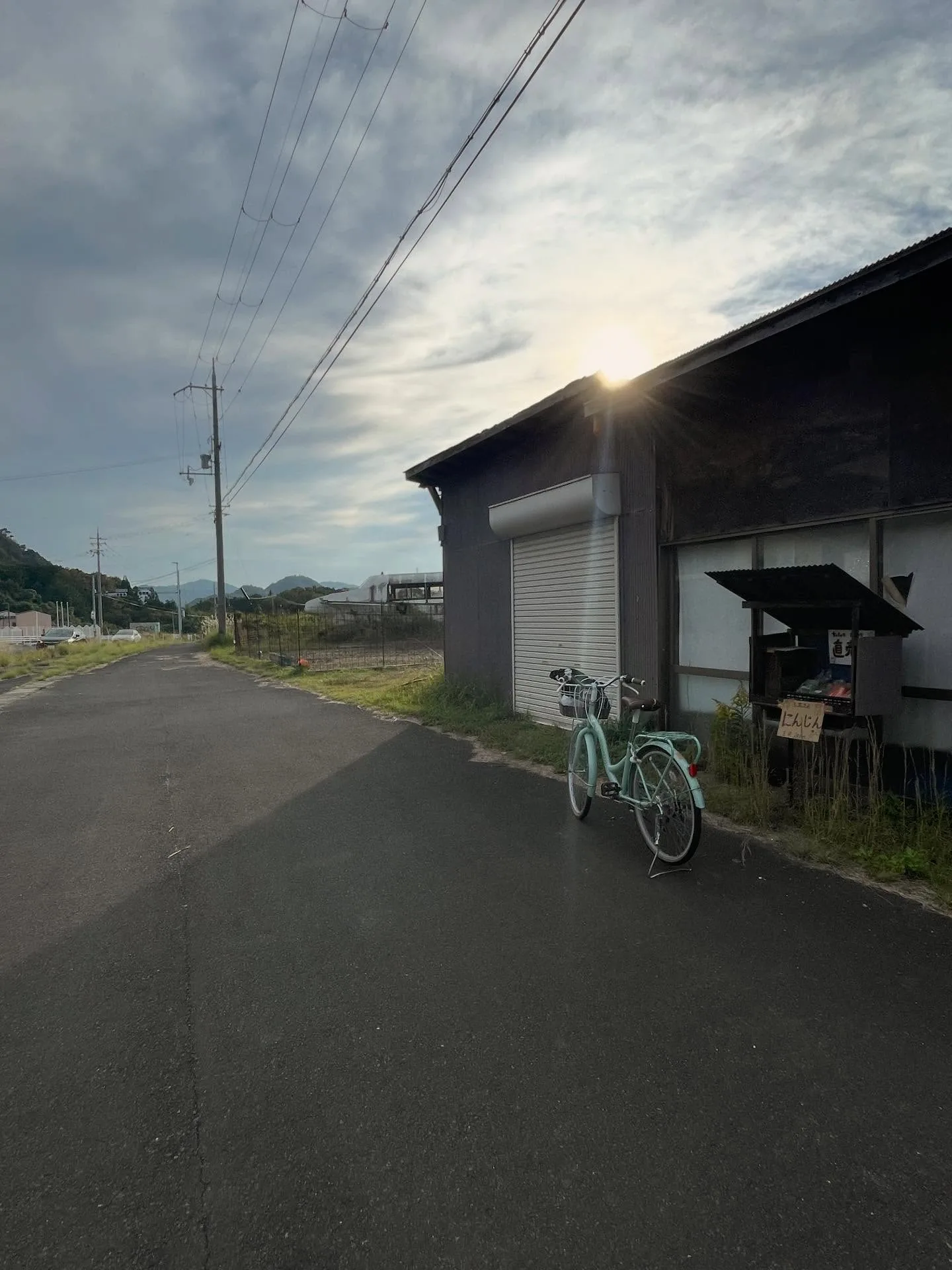
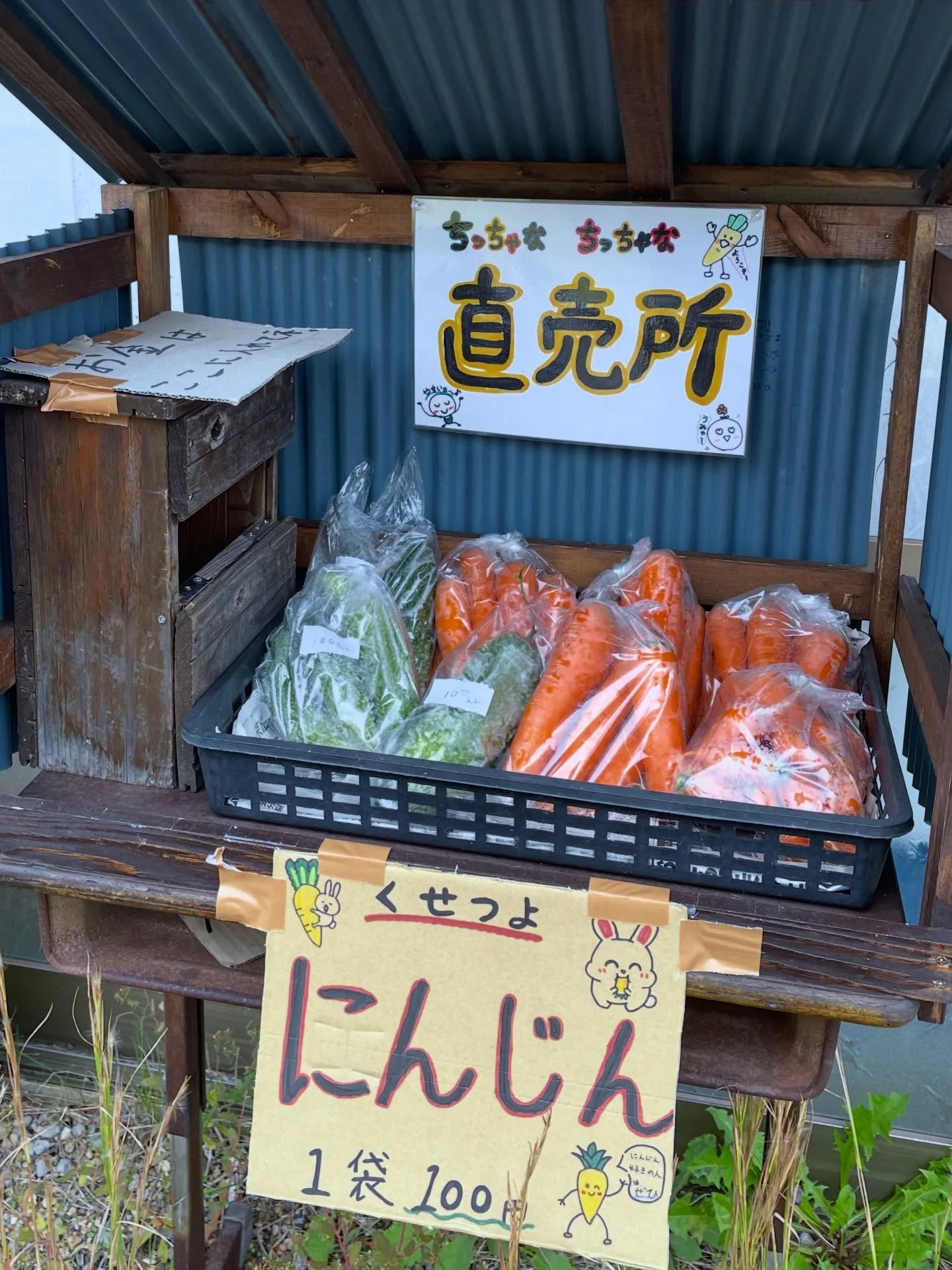
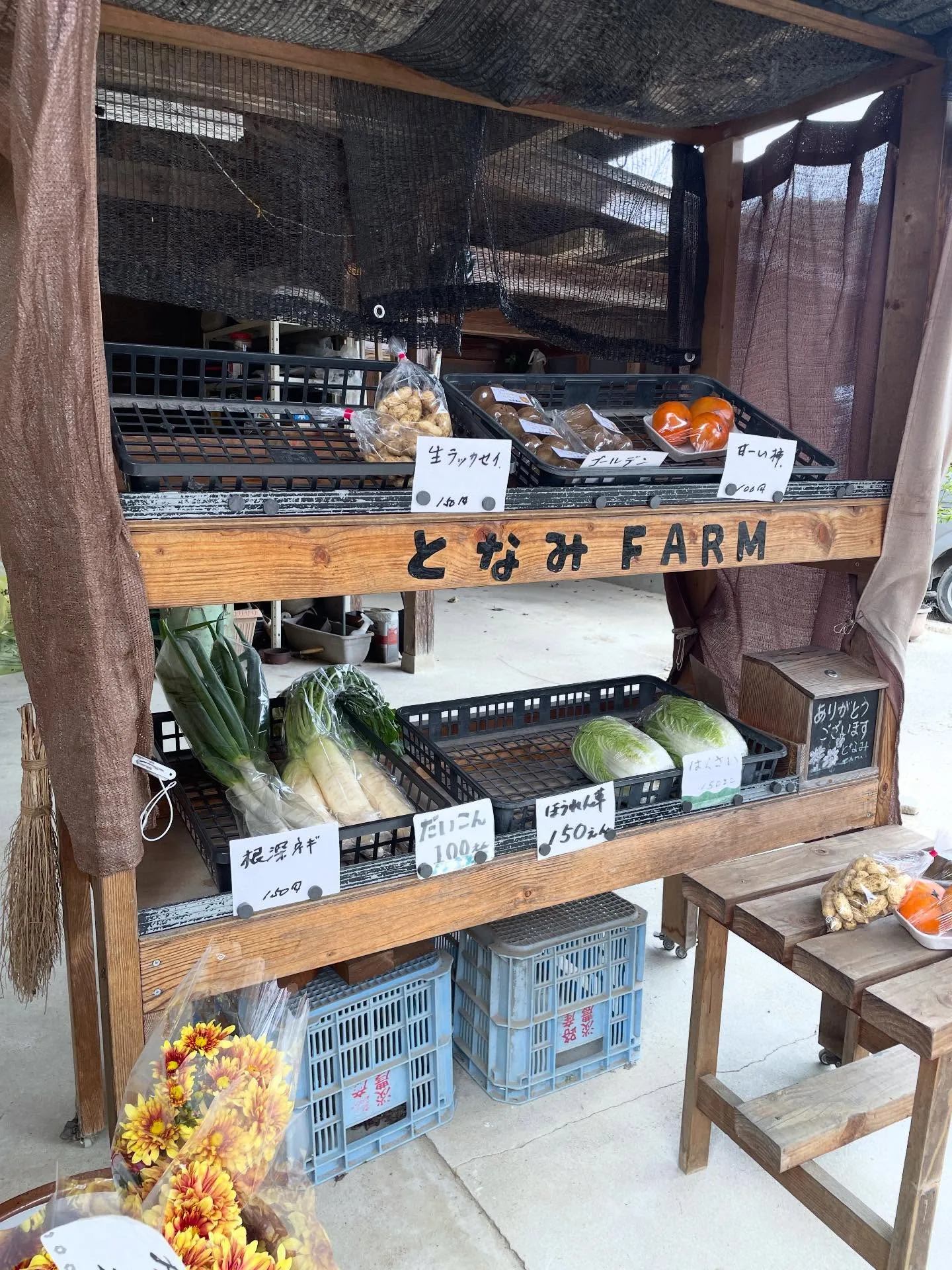
Farm stands: cheap, fresh, and with ingredients you rarely see in supermarkets
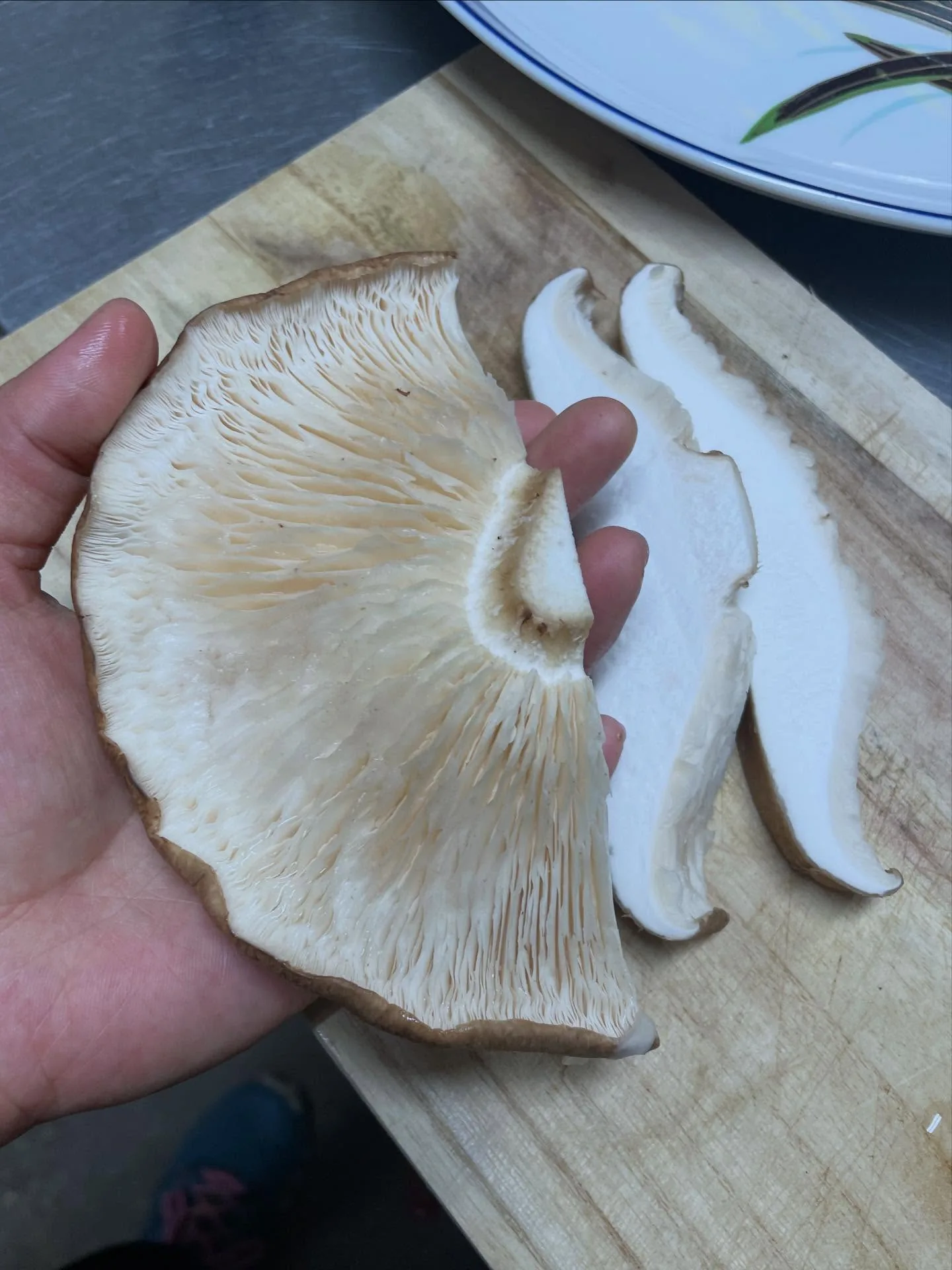
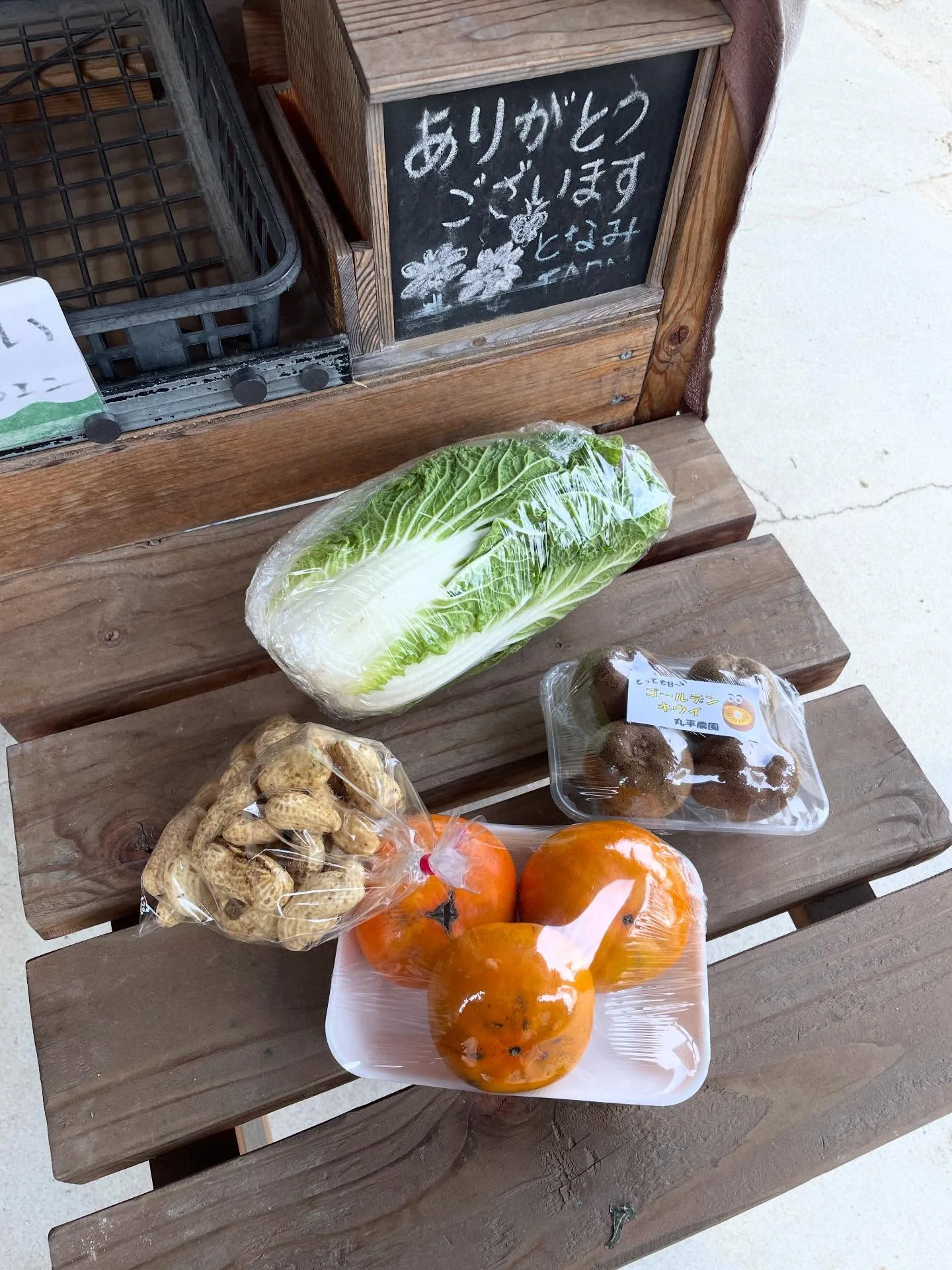
There are lots of farm stands, big and small, around Kumihama. They're cheap and fresh, and they have ingredients you rarely see in supermarkets, like fresh peanuts (just boil them and they're delicious!), giant shiitake (3 huge ones for 500 yen, very thick and meaty, amazing fried!), green bitter melon and so on. I also ate the seasonal matsuba crab, sweet potatoes and pears.
If I get another chance, I'd like to come back in mid to late August for the famous melons, Nijisseiki pears, plus peaches and grapes~ (There are still grapes in November too, but I'd eaten so many in Himeji that I think I only bought one bunch here.)
Matsuba crab
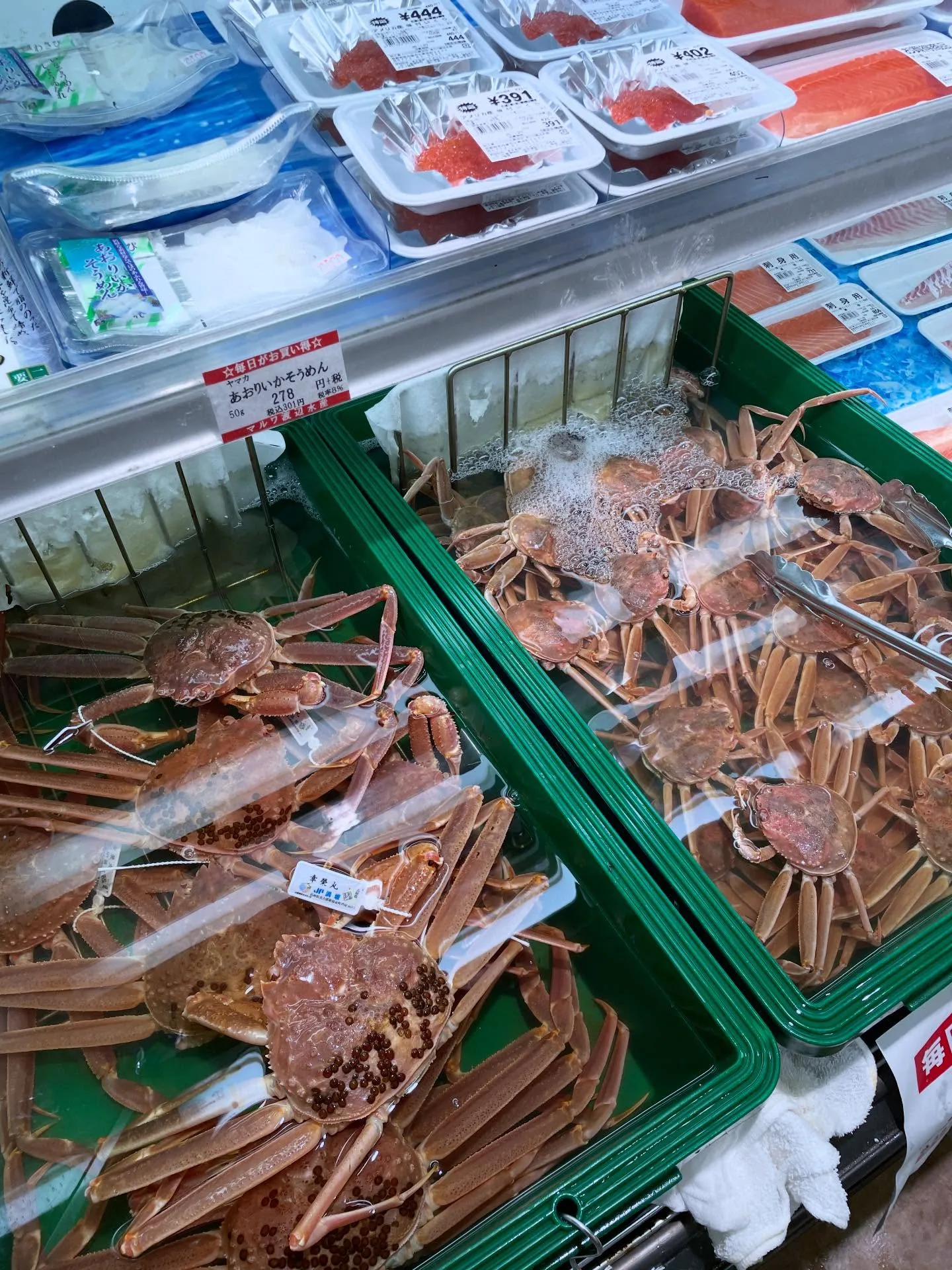
Crab fishing opens in November, so eat it up while you're young and gout is probably not a problem yet! Only the males are called matsuba crab, and each one comes with a little origin ID tag (colors differ by region). Prices range from 2,000 to 15,000 yen each, and you can get one with a few legs missing for a reasonable price of under 6,000 yen. Females are small, usually called kobako crab or seiko crab, at around 600 to 800 yen each.
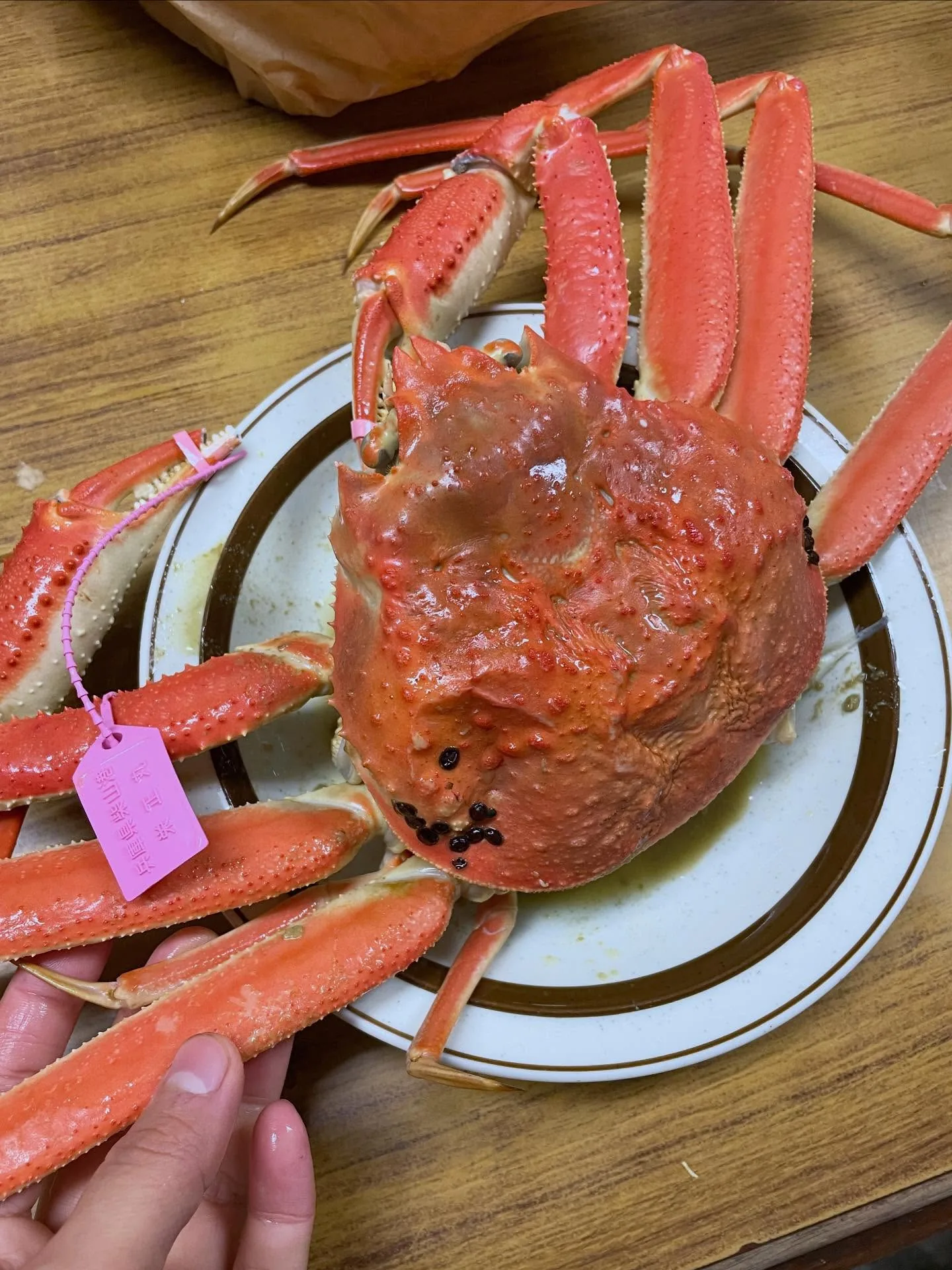
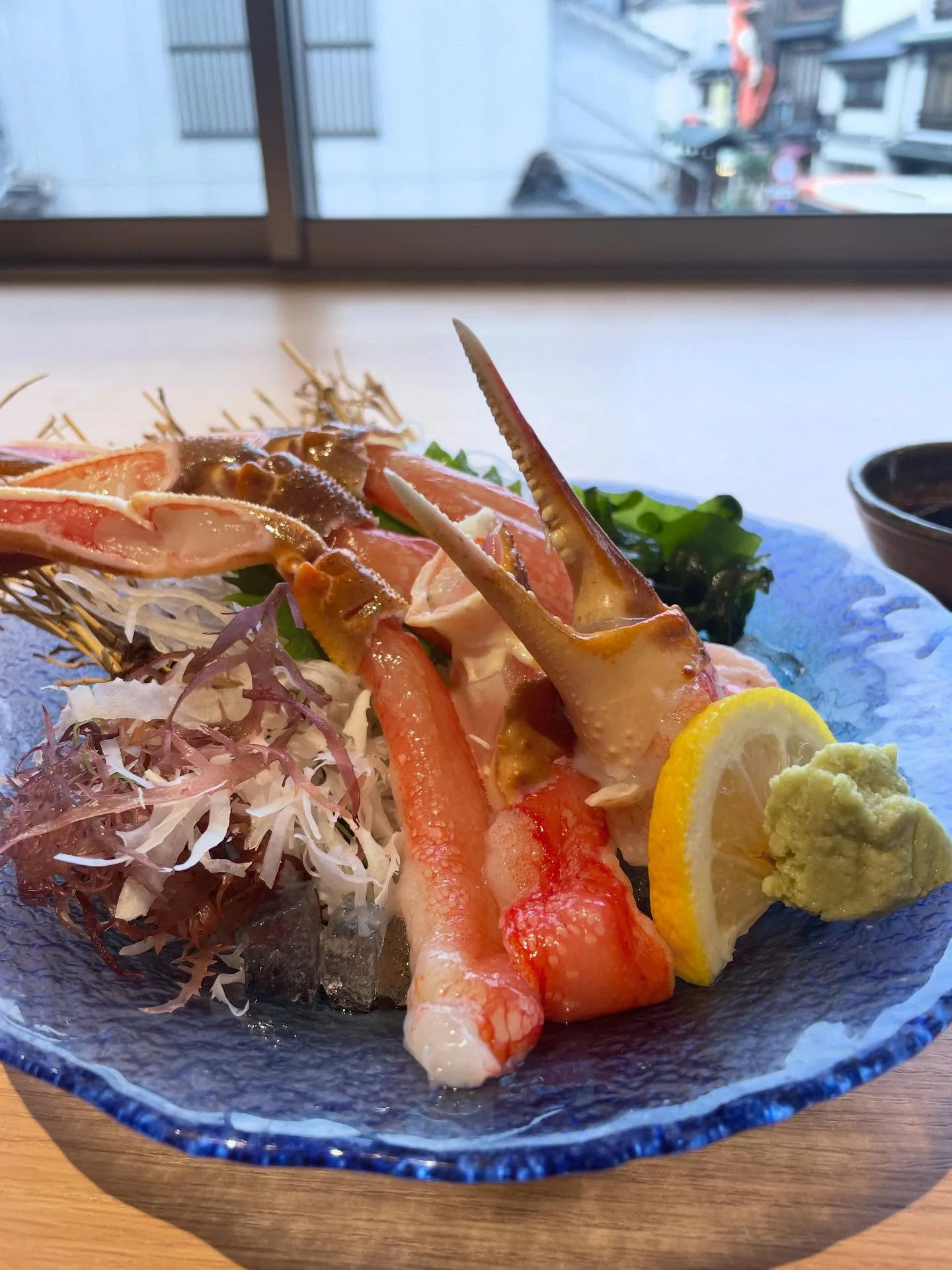
Boiled is the common way. I paid 5,000 yen for one at Shibayama Port but found it not sweet enough. My host said boiling washes out the sweetness, so I bought another one for 3,000 yen and steamed it myself. It was a bit better but I still felt it wasn't enough (though it was already really good!). Then, back in Taiwan at the end of the year, at a work celebration dinner I had all-you-can-eat matsuba crab and found it super sweet (???)... maybe it's because someone else was paying?! I also tried crab leg sashimi, and didn't fall in love with it. I still prefer the rich crab flavor when it's cooked~
Sweet potato: Benimaiko grown on sand dunes
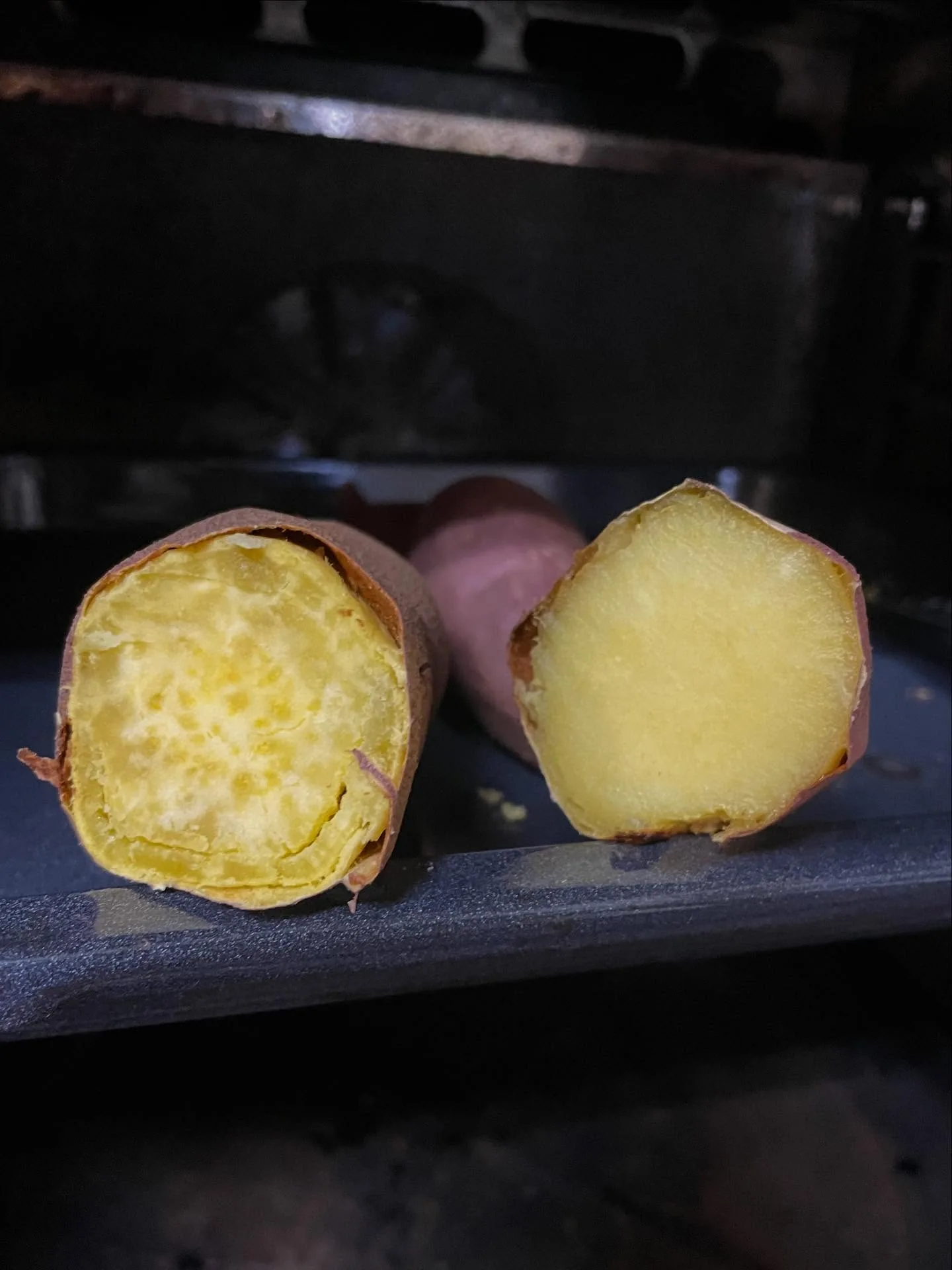
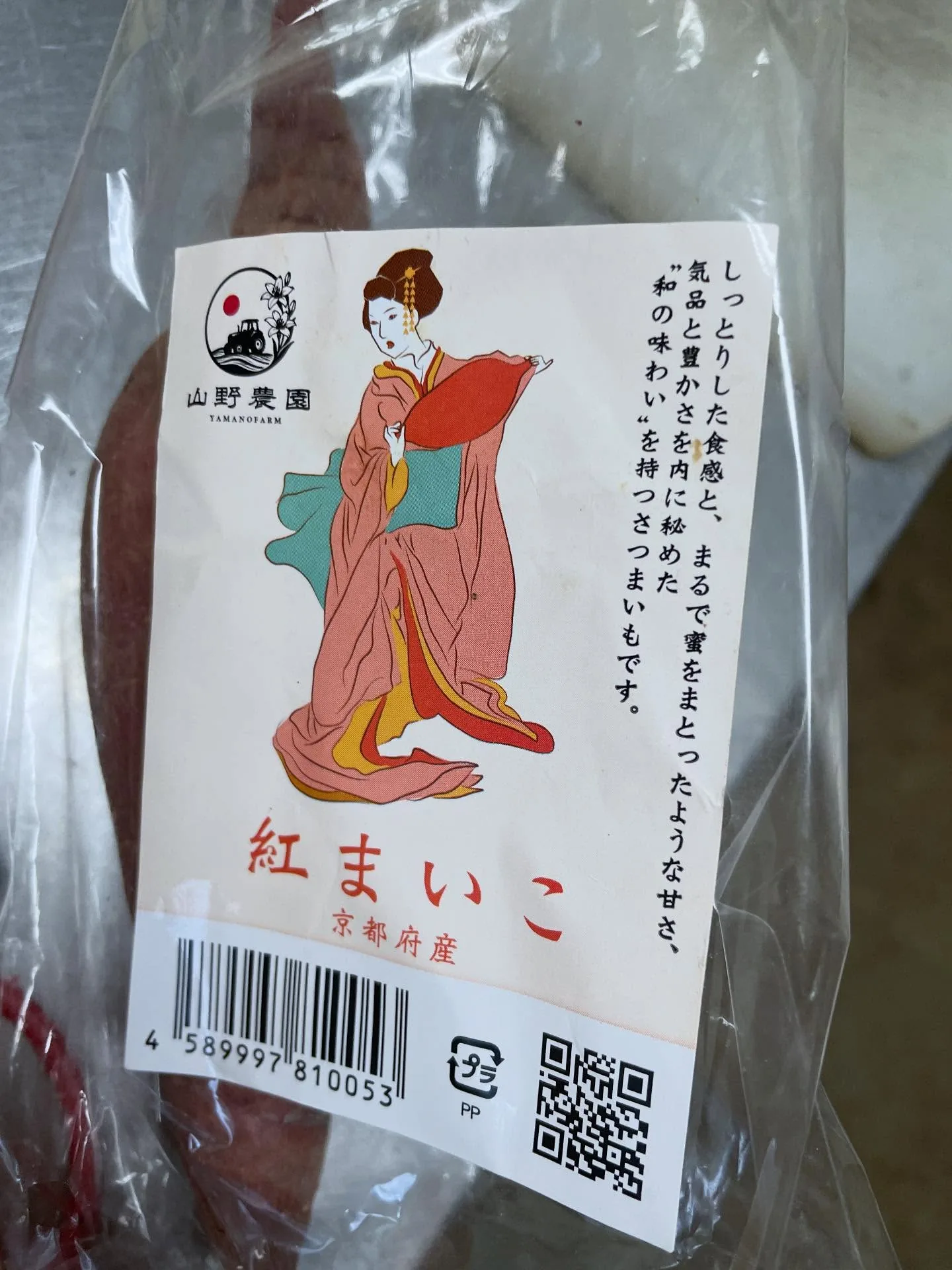
Kyotango sweet potatoes get their character from being grown on sand dunes, which helps root crops build up starch and sugar. Autumn and winter are the season, and lots of farm stands sell them. I bought two kinds for a simple comparison: one was the most common variety at the time (I forgot which), and the other was Kyotango's "Benimaiko", a chestnut-type sweet potato. After roasting in the oven, just looking at the cross-section, you can tell Benimaiko is super fluffy with little fiber, and it really does taste like chestnut.
Pears: Shinko, Oshu, Atago
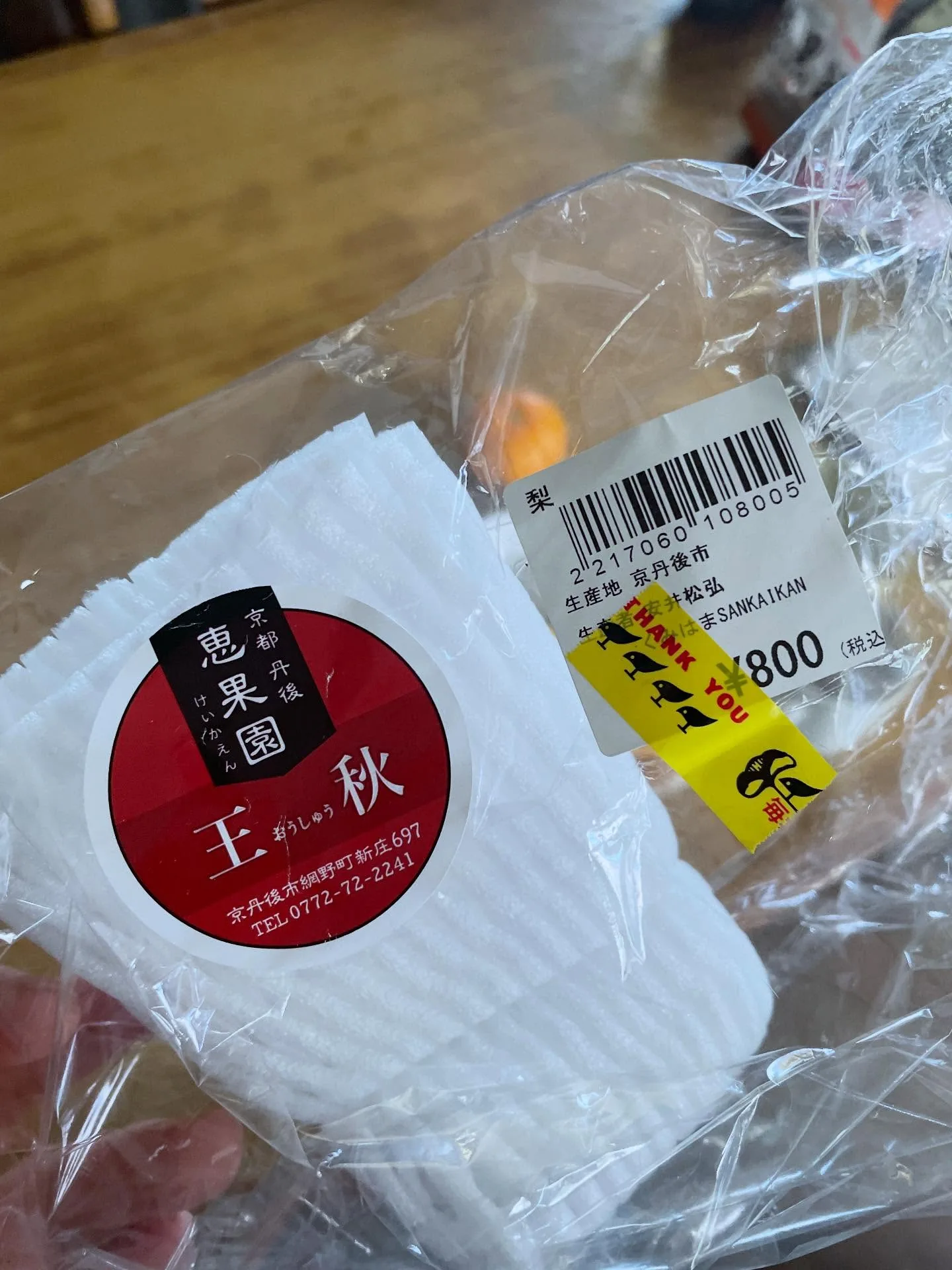
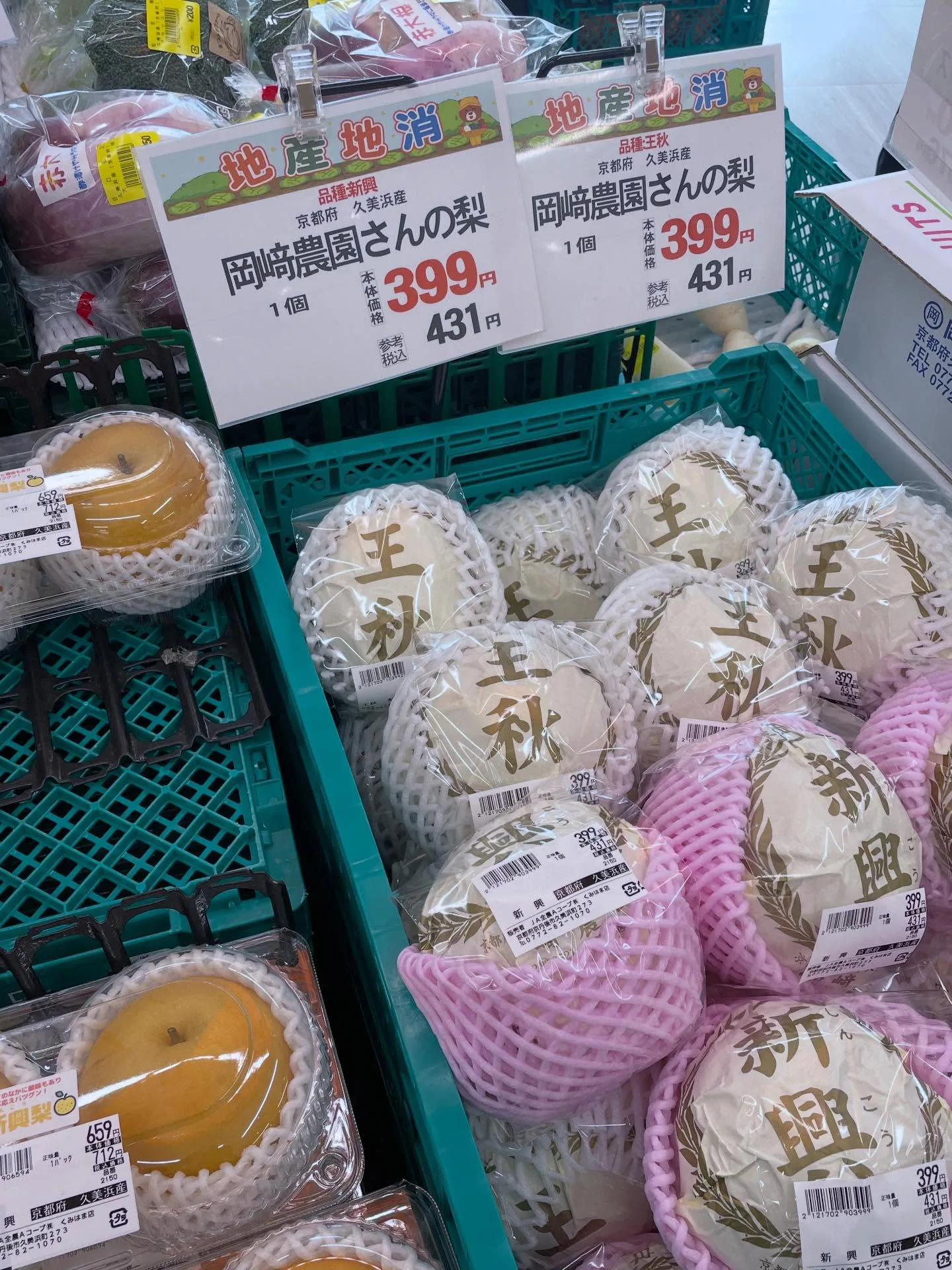
Pears are also an important crop of this region, and November is the late harvest. The three I ate, "Shinko, Oshu and Atago", were all huge, mostly the gift-giving type. I thought they tasted about as good as in Taiwan (comparing with Taiwan's Baodao Ganlu pear), and the price was about 80% of Taiwan's, or about the same. I don't remember the weights of the big and small ones, but the price was between 400 and 1,000 yen each. (Note: "Baodao Ganlu pear" is a Taiwanese variety that Japan doesn't have.)
I'm not eloquent enough to taste the difference between "Shinko" and "Oshu", but they were broadly close to the Ganlu pear, the kind that's thrillingly sweet, showy and generous, like a big-hearted person (though Ganlu is sweet to the point of hurting your teeth). The info says Oshu is a dreamy premium item!
The other, "Atago", turned out to be billed as "Japan's biggest pear" when I looked it up, and it tasted noticeably different. It's not as sweet or soft, but it's dense and a bit firmer, like a person with real depth and a mellow personality. I bought this one at Kusakabe Farm.
(Eating too many pears gives you diarrhea, so watch out.)
Further reading: 〈A Working Holiday Year in Japan: Preparation, Costs, and a Life That Isn't Mostly Working〉 (2026-08-31)
KeywordsKyotoKyotangoKumihamamatsuba crabseiko crabBenimaiko sweet potatoShinko pearOshu pearAtago pearfarm stand